EV Charger in the Garage: Why Cheap NEMA 14-50 Outlets Melt (And Why Hardwiring Wins)

Standard 10 dollar residential outlets fail under continuous 40-amp EV loads. Learn why hardwiring prevents thermal runaway, eliminates nuisance GFCI trips, and unlocks 48-amp charging.
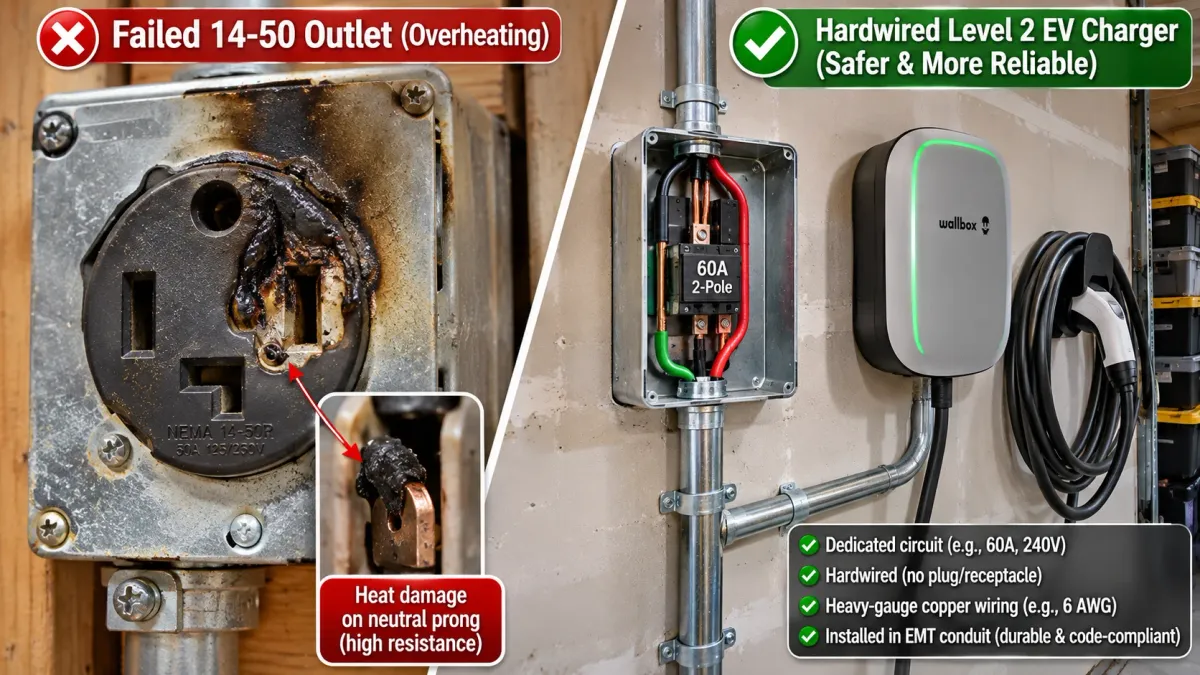
Table of Contents5 Sections
You spend fifty thousand dollars on a cutting-edge electric vehicle, bring it home, and plug it into a cheap 240-volt receptacle you bought for ten dollars from the retail electrical aisle. Six months later, you catch a whiff of melting plastic while walking through the garage, grab the charging handle, and find the outlet face discolored, bubbly, and welded directly to your plug prongs.
Electrical forums and social media feeds feature dozens of melted NEMA 14-50 receptacles every single week. Homeowners assume an electrician made an installation error, but the root cause almost always traces back to hardware physics: plugging a high-draw continuous vehicle load into an outlet engineered for intermittent cooking duty.
I worked with heavy equipment electrical systems and commercial bay feeds for decades. In this guide, I break down the physical mechanics of thermal runaway, explain the double GFCI nuisance tripping trap that leaves you with an empty battery at sunrise, and prove why hardwiring your Level 2 station is both safer and cheaper in the long run.
The Science of Continuous Load: Why Your Range Outlet Sucks for EVs
Under the NFPA 70 National Electrical Code (NEC Article 625), electric vehicle charging counts as a continuous load. The National Electrical Code defines a continuous load as any electrical draw where the maximum current continues uninterrupted for three hours or longer. Under Article 625, an electric vehicle charger qualifies as a continuous load, requiring conductors and protective devices rated for 125 percent of the continuous draw (the standard 80 percent rule).
A 50-amp circuit allows you to pull a continuous maximum of 40 amps. The problem lies with standard residential-grade NEMA 14-50 receptacles, such as the standard Leviton 279 found at big-box hardware stores for ten dollars.
Manufacturers designed those budget receptacles for electric kitchen ranges. An oven burner turns on, heats up for eight minutes, cycles off via thermostat, and cools down before cycling back on.
An electric vehicle does not cycle; it pulls a continuous, blistering 32 to 40 amps straight through the outlet contacts for eight to ten hours every night. Budget receptacles use thin stamped-brass contact leaves riveted to plastic housing. Under continuous thermal stress, those thin leaves lose spring tension, create micro-gaps, increase electrical resistance, and enter thermal runaway until the surrounding plastic housing melts.
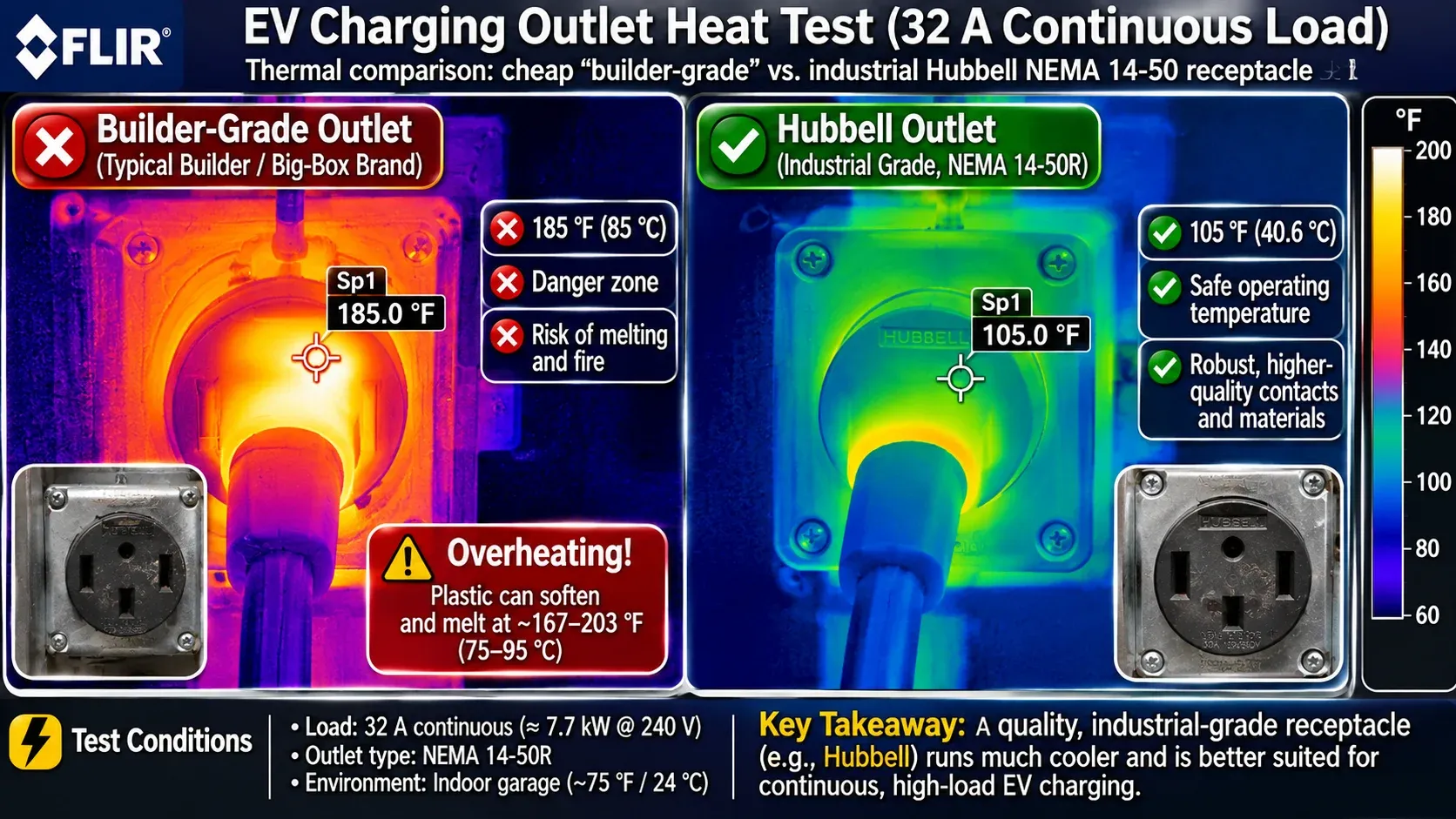
FLIR thermal imaging comparative photo of two EV charging receptacles under 32-amp continuous load, left side showing cheap builder-grade outlet glowing bright orange-white at 185°F danger zone with melting plastic warning, right side showing industrial-grade Hubbell outlet operating cool green at 105°F, accurate temperature color scales.
EV Charging Connection Breakdown: Outlet Grades vs. Hardwiring
Comparing charging speeds, hardware costs, thermal failure risks, and safety code requirements.
Budget Residential Receptacle ($10)
Intermittent kitchen electric ranges only
- Cheapest upfront retail shelf price
- High rate of terminal melting and thermal deformation under EV load
Industrial-Grade Receptacle (Bryant/Hubbell)
Workshops sharing an outlet with a 240V welder
- Allows quick unplugging for portable travel chargers
- Still requires a $120 GFCI breaker and caps charging at 40 amps
Direct Hardwired Connection (Conduit/Panel)
All permanent home garage Level 2 installations
- Unlocks 48-amp charging (11.5 kW) and zero nuisance tripping
- Requires unbolting terminals if you relocate the charging unit
The “Double GFCI” Trap: Why Your Breaker Trips at 2:00 AM
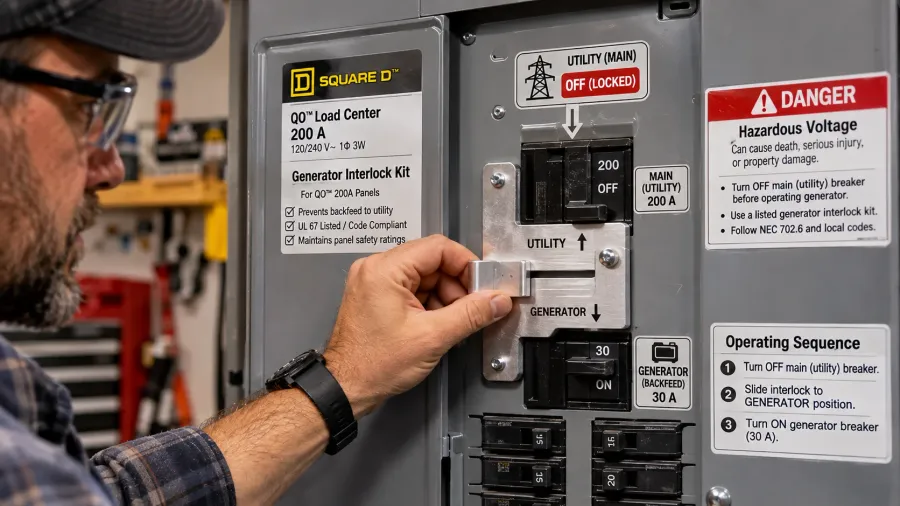
Under modern electrical code cycles (NEC 2020 and NEC 2023 Article 210.8), any 240-volt receptacle installed in a residential garage must feature Ground Fault Circuit Interrupter (GFCI) protection at the panel board. That requires installing a two-pole GFCI circuit breaker, which costs between $120 and $150.
Here is the frustrating part that catches homeowners off guard: every reputable Level 2 EVSE (Electric Vehicle Supply Equipment) charging station already incorporates an internal CCID (Charge Circuit Interrupting Device) ground-fault monitoring system. That internal safety circuit constantly sends micro-pulses along the ground conductor to ensure ground continuity.
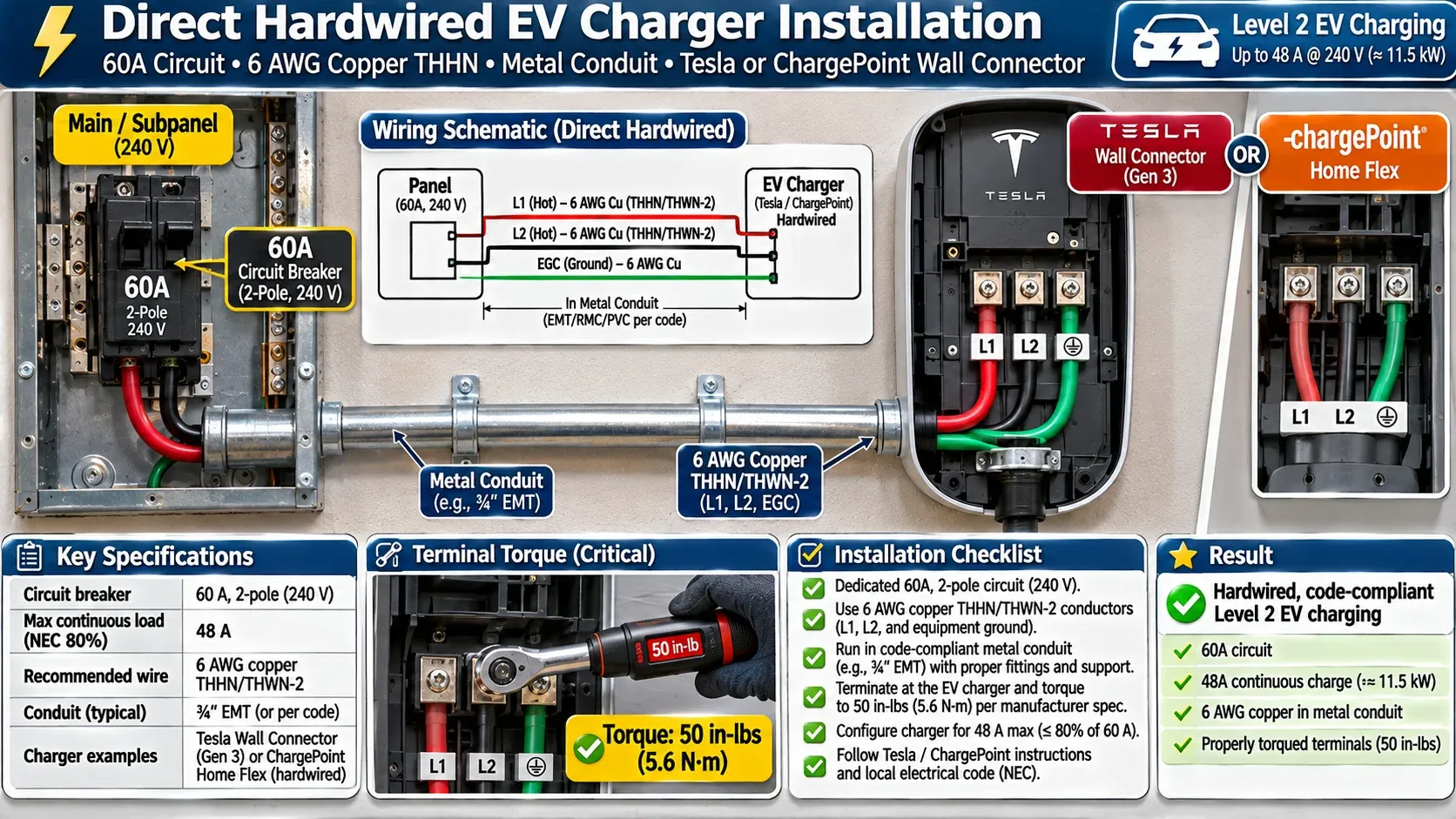
Technical electrical schematic showing direct hardwired EV charger connection, 60A circuit breaker feeding 6 AWG copper THHN wires through metal conduit directly into Tesla or ChargePoint wall connector terminal blocks, torque wrench indicator showing 50 in-lbs, clean CAD diagram.
The GFCI breaker in your panel senses these harmless electronic diagnostic pulses, mistakes them for a real ground leakage, and trips open in the middle of the night. You wake up at 7:00 AM expecting a 100 percent battery charge, only to find the vehicle sitting at 18 percent and your garage breaker tripped cold.
When you hardwire your charger directly to the electrical panel, the unit is not plugged into a receptacle. Because no receptacle exists, the NEC code requirement for an external GFCI breaker disappears; you can legally install a standard heavy-duty $15 non-GFCI thermal-magnetic circuit breaker, saving over $100 and completely eliminating false midnight tripping.
Wire Sizing Math: Unlocking 48-Amp Charging Speed
A plug-in NEMA 14-50 configuration caps your maximum vehicle charging rate at 40 amps (80 percent of a 50-amp circuit). That translates to roughly 9.6 kilowatts of power transfer, which adds about 30 miles of range per hour of charging.
Hardwiring your charging station allows you to install a 60-amp two-pole breaker. Applying the 80 percent continuous load rule to a 60-amp breaker gives you a true 48-amp charging rate (11.5 kilowatts), increasing charging speed by 20 percent and cutting hours off the charge time for large battery packs like the Ford F-150 Lightning or Rivian R1T.
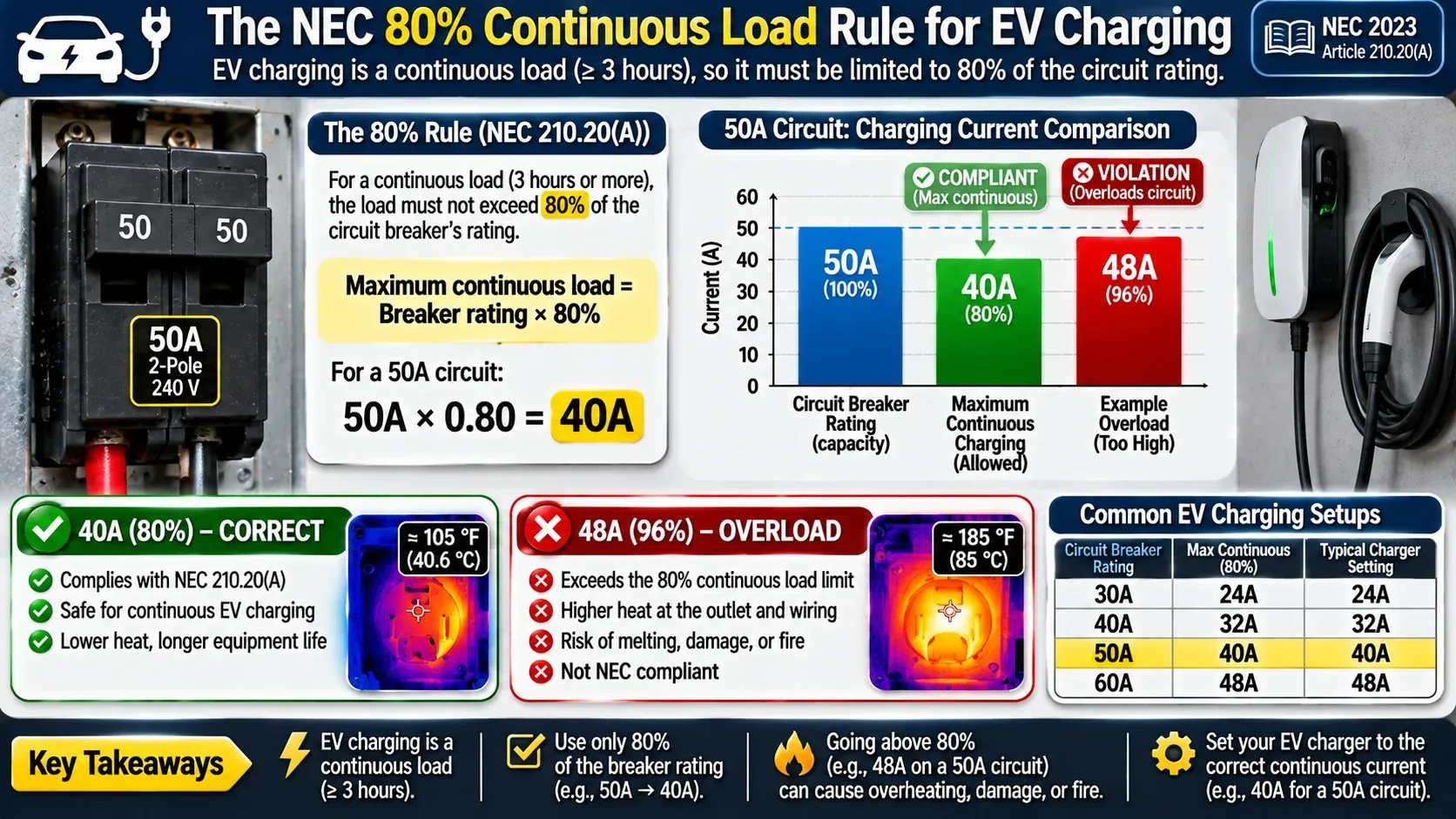
Clean electrical engineering infographic illustrating the NEC 80% continuous load rule for EV charging, bar diagram comparing 50A circuit breaker capacity vs 40A continuous charging ceiling vs dangerous 48A overload condition, clear technical callout boxes.
To deliver 48 continuous amps safely, pull four individual copper conductors inside rigid PVC or metal conduit: two #6 AWG THWN hot wires, one #6 AWG neutral (if your unit requires neutral), and one #8 AWG bare or green ground. If you run flexible NM-B Romex cable through walls, you must step up to #4 AWG copper to satisfy temperature ampacity derating tables.
If You MUST Plug In: The Industrial-Grade Bryant Mandate
If you rent your home, plan to move within twelve months, or need to unplug your car charger periodically to plug in a 240-volt MIG welder, you must choose an industrial-grade receptacle.
Never allow anyone to install a ten-dollar builder-grade receptacle for EV duty. You must purchase a commercial, industrial-rated specification receptacle such as the Bryant 9450FR or Hubbell HBL9450A.
These industrial units weigh over a pound, feature solid-copper alloy contacts with four heavy grip points per blade, and use high-temperature phenolic faceplates that resist heat up to 250 degrees Fahrenheit. When wiring an industrial receptacle, use an insulated torque screwdriver to tighten every lug screw to exactly 75 inch-pounds. Fastener undertorque remains the leading cause of terminal arcing and thermal destruction.
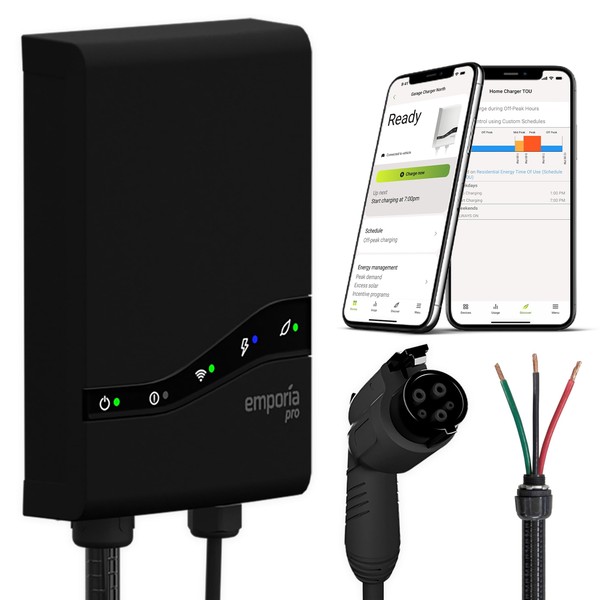
Emporia Level 2 Smart EV Charger (Hardwired 48A)
Best For: Permanent hardwired garage installations
Est. Price: $399 - $429
"The most reliable, high-amperage smart home charger on the market with straightforward terminal lugs engineered for direct hardwire feeds."
- +Supports 48A continuous charging when directly hardwired
- +Detailed real-time energy tracking app with scheduling
- +24-foot heavy-duty flexible cable remains pliable in freezing winter
- -App requires 2.4 GHz Wi-Fi connectivity for smart scheduling
- -Large physical housing requires dedicated wall space
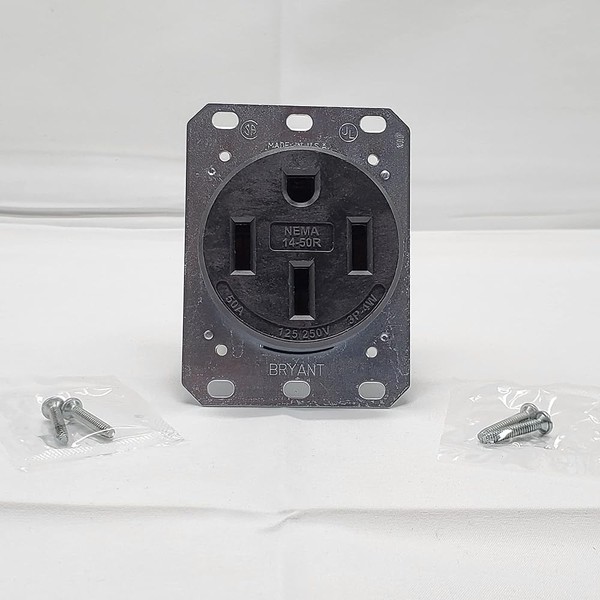
Bryant Electric 9450FR 50A Industrial Flush Receptacle
Best For: Plug-in setups that cannot be hardwired
Est. Price: $65 - $78
"The mandatory industrial standard receptacle if your setup demands a plug-in connection, completely stopping thermal meltdown risks."
- +Heavy copper alloy contact jaws grip prongs with massive mechanical force
- +Glass-reinforced polyester body will not melt or deform under thermal load
- +Accepts up to #4 AWG copper wire securely with massive lug screws
- -Stiff contact jaws require significant physical force to plug in cords
- -Costs six times more than residential builder-grade outlets
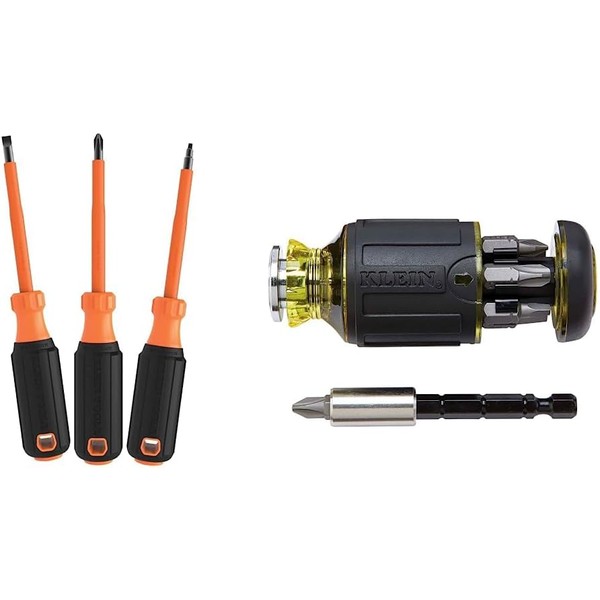
Klein Tools Insulated Torque Screwdriver Set
Best For: Torquing electrical lugs to exact manufacturer specs
Est. Price: $89 - $110
"A vital safety tool that guarantees you meet code torque specifications and eliminate arcing on breaker and receptacle lugs."
- +Adjustable from 5 to 40 in-lbs with certified calibration
- +1000-volt dielectric insulation rating protects against accidental contact
- +Eliminates loose terminal connections that cause hot-spot arcing
- -Requires high-range torque wrench for 75 in-lb industrial terminals
- -Premium investment for occasional home electrical work
Sizing Your Garage Power Headroom
Before adding a 48-amp continuous draw to your property, verify that your service panel carries enough electrical headroom to support the load without nuisance main breaker trips.
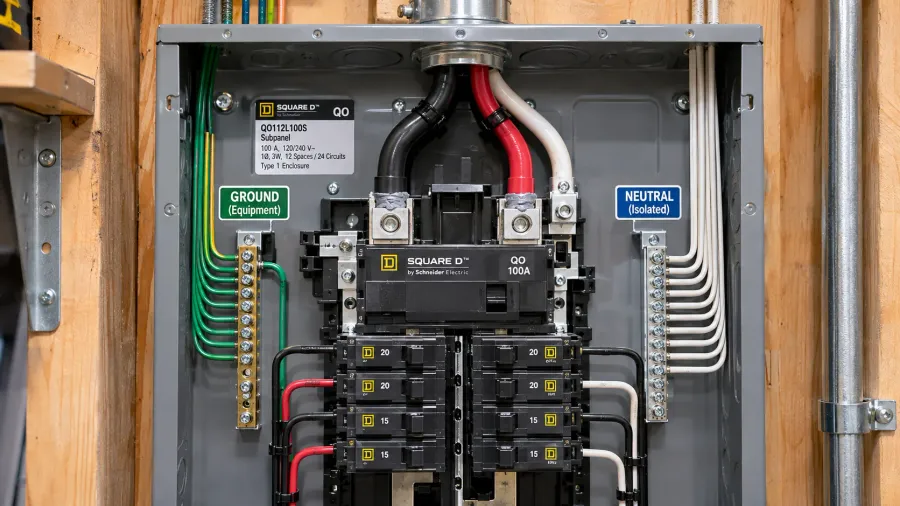
If your garage currently runs on a single shared 15-amp circuit from your home, consider installing a dedicated 100-amp subpanel, as outlined in our comprehensive guide on wiring a serious garage workshop subpanel.
If you operate high-draw fabrication tools in the same space, compare simultaneous branch loads with our guide on 120V vs. 240V welders for a home garage. And if you also plan to run winter heating alongside your EV charging station, calculate your simultaneous power demands with our heating breakdown on heating an uninsulated garage with mini-splits vs. 240V electric.

Hank Miller
Hank is a master craftsman and DIY mechanic based in Ohio. He tests workshop equipment, garage floor coatings, and power tools under brutal, real-world workshop conditions, with zero paid brand sponsorships.